
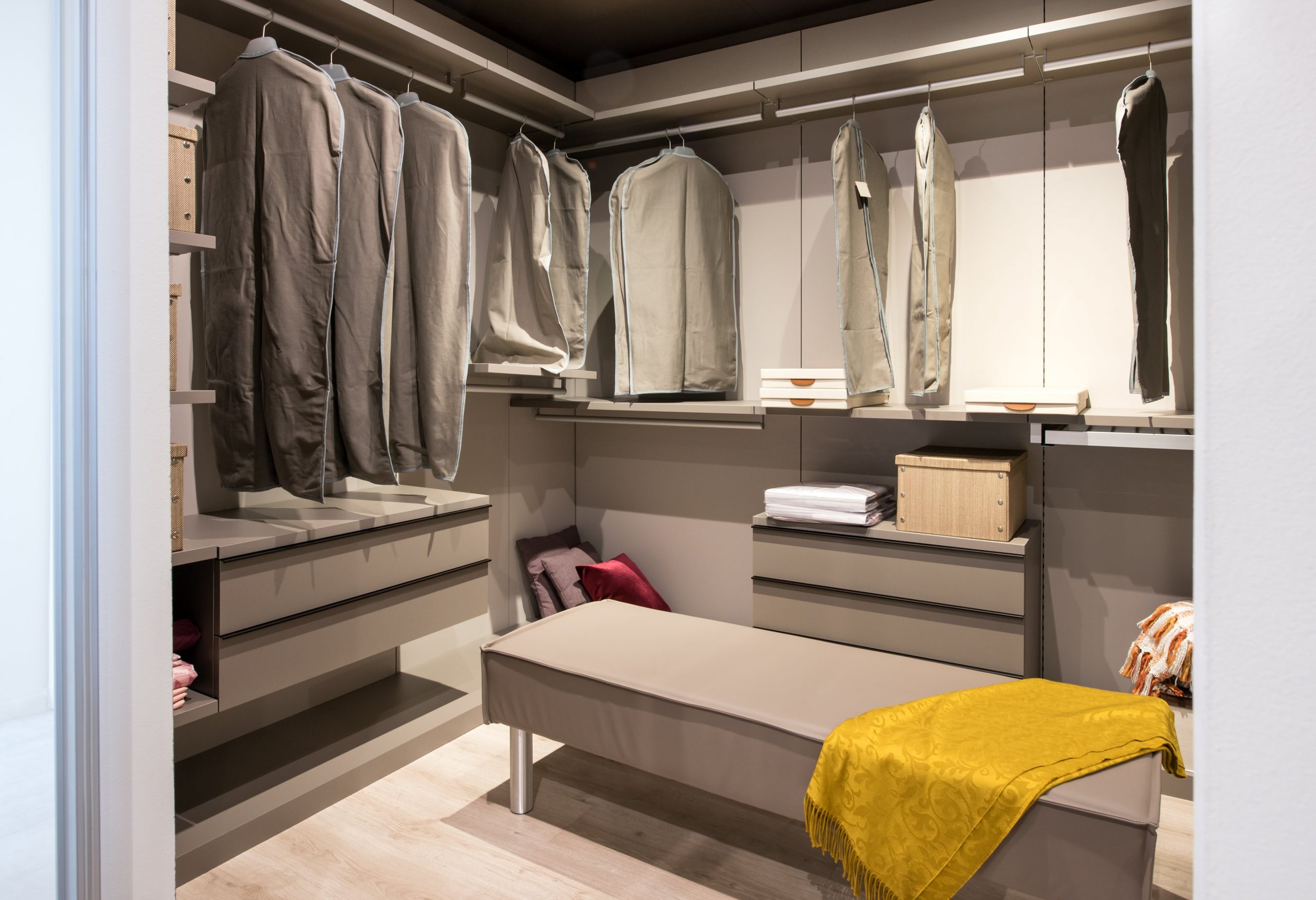
A walk-in closet is more than just a storage area—it is a personal space that reflects style, organization, and daily routine. When thoughtfully designed, it can transform clutter into a streamlined, visually pleasing environment that enhances both functionality and comfort. Whether spacious or compact, a well-planned walk-in closet maximizes storage while maintaining a clean and elegant aesthetic.
Modern homeowners increasingly prioritize efficient storage solutions that blend beauty with practicality. From custom shelving and smart lighting to seating areas and decorative accents, every detail contributes to a more enjoyable experience. Proper layout planning ensures easy access to clothing, accessories, and footwear without overcrowding the space.
Designing a walk-in closet involves balancing organization with visual appeal. With the right ideas and strategic planning, it becomes a stylish extension of the bedroom—offering convenience, sophistication, and long-term value to the home.
Maximizing Space with Smart Layout Planning
The foundation of any successful walk-in closet begins with thoughtful layout planning. Understanding the available square footage allows homeowners to divide the space efficiently into hanging sections, shelving units, and drawers.
Double-hanging rods maximize vertical space for shirts and jackets, while dedicated areas for long garments prevent wrinkling. Adjustable shelving systems offer flexibility as storage needs evolve over time. Incorporating corner units ensures no space goes unused.
Within practical home and garden storage optimization ideas, layout customization enhances both accessibility and organization. Clear pathways and open sightlines prevent overcrowding and improve daily functionality.
Strategic placement of frequently used items at eye level further enhances convenience. A well-planned layout transforms even modest spaces into highly efficient storage solutions.
Incorporating Built-In Shelving and Cabinets
Built-in storage provides a polished and cohesive look. Custom cabinets create a streamlined appearance while keeping clutter hidden. Closed drawers are ideal for smaller accessories such as belts, scarves, and jewelry.
Open shelving allows display of neatly folded clothing or decorative storage boxes. Combining open and closed storage balances aesthetics with practicality. Soft-close drawers and high-quality finishes elevate the overall design.
Built-in systems can be tailored to match interior décor themes, from minimalist modern to classic elegance. Neutral color palettes often enhance brightness and make the space feel larger.
Investing in built-in solutions not only increases storage capacity but also adds long-term value to the home.
Enhancing Lighting for Function and Ambiance
Lighting plays a crucial role in walk-in closet design. Adequate illumination ensures accurate color selection and enhances visibility. Overhead LED fixtures provide general lighting, while strip lighting under shelves adds depth and clarity.
Motion-sensor lighting offers convenience and energy efficiency. For a luxurious touch, accent lighting within display shelves highlights accessories or statement pieces.
Within modern interior design and home organization inspiration, layered lighting transforms closets into inviting spaces rather than simple storage areas. Soft lighting paired with reflective surfaces creates a sophisticated atmosphere.
Natural light, when available, further elevates the environment. However, window treatments should protect clothing from prolonged sun exposure to prevent fading.
Adding Functional and Decorative Elements
A walk-in closet can incorporate more than storage. A small bench or ottoman provides seating for changing shoes or planning outfits. Mirrors enhance both practicality and the illusion of space.
Decorative rugs add warmth and comfort, while framed artwork personalizes the environment. Even subtle design elements such as hardware finishes contribute to overall style.
Functional additions like jewelry organizers, pull-out hampers, and tie racks increase efficiency. These thoughtful details prevent clutter while maintaining visual harmony.
Balancing decorative touches with organization creates a space that feels curated and welcoming rather than purely utilitarian.
Organizing by Category and Season
Effective organization enhances daily convenience. Grouping clothing by category—such as formal wear, casual outfits, and seasonal items—simplifies outfit planning. Color coordination adds visual clarity and aesthetic appeal.
Rotating seasonal items prevents overcrowding. Storing off-season garments in labeled bins or higher shelves maximizes usable space for current wardrobe needs.
Clear containers and dividers keep smaller accessories visible and easy to locate. Consistent organization habits maintain order long-term.
Structured categorization reduces stress and saves time, turning the closet into a practical extension of personal style management.
Creating a Luxury Boutique Feel
For homeowners seeking a high-end aesthetic, boutique-inspired elements elevate the space. Glass-front cabinets, velvet-lined drawers, and statement chandeliers create a refined atmosphere.
Displaying handbags or shoes on dedicated shelves mimics retail presentation. Coordinated hangers and uniform storage containers enhance visual consistency.
Attention to detail defines luxury design. Quality materials, symmetrical layouts, and cohesive color schemes create sophistication.
A boutique-inspired closet not only enhances organization but also transforms daily routines into enjoyable experiences.
Conclusion
Designing a stylish walk-in closet involves thoughtful planning, efficient storage solutions, and balanced aesthetics. From maximizing layout efficiency and incorporating built-in cabinets to enhancing lighting and adding decorative elements, each detail contributes to both functionality and elegance. Organized categorization and seasonal rotation maintain long-term order, while boutique-inspired touches elevate the space into a refined personal retreat. A well-designed walk-in closet not only simplifies daily routines but also enhances the overall home environment. By combining smart organization with sophisticated design, homeowners can create a closet that reflects personal style while delivering practical value and comfort.