
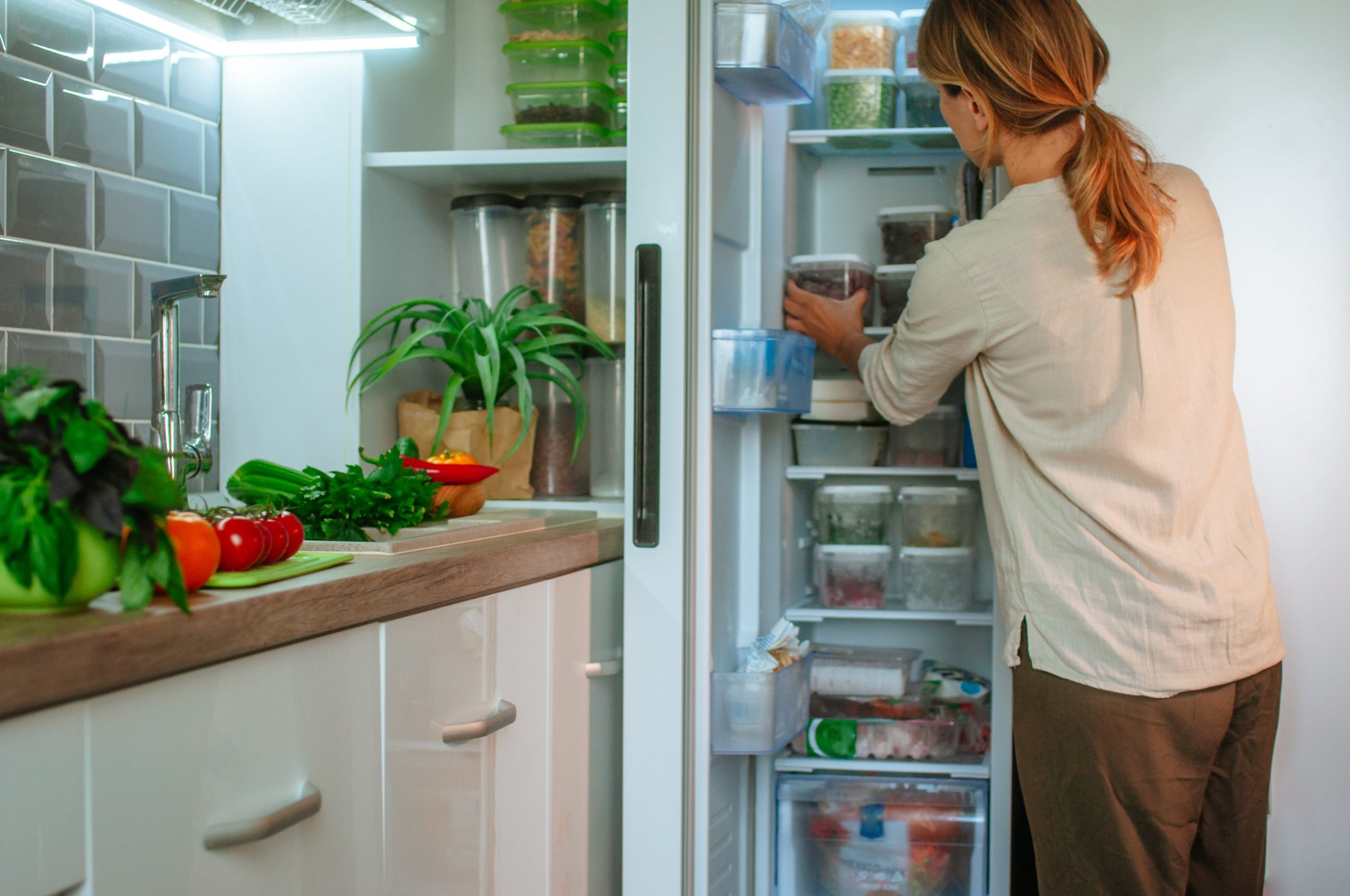
Proper food storage is one of the most important yet overlooked aspects of maintaining a safe and organized home. When groceries are stored correctly, they last longer, retain their nutritional value, and reduce the risk of foodborne illness. On the other hand, improper storage can lead to spoilage, contamination, and unnecessary waste.
From fresh produce and dairy products to pantry staples and frozen goods, each type of food requires specific storage conditions. Temperature control, airtight containers, and organized shelving all play a role in preserving freshness. Beyond safety, effective storage also helps households save money by minimizing discarded items.
Understanding the correct methods for storing food at home creates a healthier kitchen environment. With a few simple strategies and consistent habits, anyone can improve food longevity and maintain a more efficient household system.
Organizing Your Refrigerator Properly
Refrigerator organization significantly impacts food freshness and safety. Different sections of the refrigerator maintain slightly different temperatures, and placing items correctly helps prevent premature spoilage.
Dairy products and ready-to-eat foods should be stored on upper shelves where temperature remains consistent. Raw meats, poultry, and seafood belong on the lowest shelf in sealed containers to prevent cross-contamination. Crisper drawers are designed specifically for fruits and vegetables, controlling humidity to extend freshness.
Within effective home and garden kitchen organization solutions, proper refrigerator arrangement reduces waste and enhances hygiene. Clear labeling and rotation—placing older items toward the front—ensure that food is consumed before expiration.
Maintaining the correct refrigerator temperature, ideally below 40°F (4°C), further protects against bacterial growth. Regular cleaning prevents odor buildup and contamination.
Storing Dry Goods in the Pantry
Pantry staples such as rice, pasta, flour, and cereals require cool, dry conditions. Exposure to moisture and heat can shorten shelf life and invite pests.
Using airtight containers prevents humidity from affecting dry goods. Transparent containers also make it easier to monitor stock levels and detect spoilage early.
Proper pantry storage aligns with practical household food preservation and safety tips, helping families maintain long-lasting supplies. Keeping the pantry organized with labeled shelves reduces clutter and improves accessibility.
Avoid placing dry goods near heat sources such as ovens or direct sunlight. Consistent room temperature and good ventilation protect quality and flavor.
Freezing Food for Long-Term Preservation
Freezing extends the lifespan of many foods, including meats, vegetables, and leftovers. However, proper wrapping and labeling are essential to prevent freezer burn.
Using freezer-safe bags or airtight containers removes excess air that can damage texture and taste. Labeling packages with dates ensures items are used within recommended timeframes.
Blanching vegetables before freezing helps preserve color, texture, and nutrients. Portioning food into meal-sized quantities simplifies future meal preparation.
Maintaining a freezer temperature of 0°F (-18°C) keeps food safe for extended periods. Organized freezer storage also prevents forgotten items from accumulating.
Handling Fresh Produce Correctly
Fruits and vegetables vary in storage needs. Some produce, such as apples and leafy greens, thrive in refrigeration, while others like bananas, tomatoes, and potatoes are best kept at room temperature.
Separating ethylene-producing fruits—such as apples and avocados—from sensitive vegetables slows ripening. Storing herbs in water-filled containers can extend freshness.
Avoid washing produce before storage unless it is thoroughly dried, as excess moisture accelerates spoilage. Instead, wash fruits and vegetables just before use.
Understanding produce-specific needs helps maximize flavor and nutritional value while reducing waste.
Preventing Cross-Contamination and Spoilage
Food safety extends beyond storage location. Preventing cross-contamination protects against harmful bacteria. Raw meats should always be sealed securely and stored separately from ready-to-eat items.
Using clean containers and sanitizing surfaces regularly reduces contamination risks. Checking expiration dates and discarding spoiled food promptly maintains hygiene standards.
Strong odors or unusual textures signal potential spoilage. Trusting sensory indicators—while also relying on expiration guidelines—ensures safety.
Consistent cleaning routines keep refrigerators, freezers, and pantries free from residue and spills that can harbor bacteria.
Maintaining Temperature and Storage Conditions
Temperature control is fundamental to proper food storage. Refrigerators and freezers should be monitored with thermometers to ensure safe ranges.
Power outages require attention as well. Keeping refrigerator doors closed preserves cold air longer, and perishable items should be discarded if unsafe temperatures persist.
Humidity levels influence food quality, particularly for produce. Proper ventilation prevents mold and moisture buildup in storage areas.
Routine inspection of storage appliances ensures they function efficiently. Maintenance extends appliance lifespan and protects stored food.
Conclusion
Proper food storage at home plays a vital role in preserving freshness, maintaining safety, and reducing unnecessary waste. By organizing refrigerators effectively, storing pantry staples in airtight containers, freezing foods correctly, and handling fresh produce with care, households can significantly extend the lifespan of groceries. Preventing cross-contamination and maintaining appropriate temperature levels further safeguard family health. Small adjustments—such as labeling items, monitoring humidity, and cleaning storage areas regularly—create long-term benefits for both safety and budget management. When consistent habits are practiced, food storage becomes a simple yet powerful way to maintain an efficient and healthy home environment. Thoughtful organization and awareness ensure that meals remain fresh, nutritious, and safe for everyday consumption.